Excellence in Motion.
Indiana's Premier Fastpitch Softball Organization.
Empowering elite athletes through world-class fastpitch training, national competition, and a focus on character.
#1— Indiana's Top-Rated Fastpitch Club
WHY WE LEAD
The Shockwave Advantage
We merge professional training techniques with a supportive team culture. Each athlete receives a personalized development plan to excel on the field.
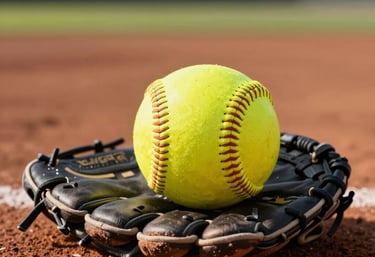
Elite Coaching Staff
Guidance from former collegiate stars and pros.
Data-Driven Training
Advanced analytics for swing and pitching metrics.
Character Building
Developing leaders through teamwork and sportsmanship
National Recruitment
Proven pathways to college scholarships.
OUR TEAMS
Elite Developmental Paths
Every Shockwaves team follows a structured curriculum focused on mastery, speed, and competitive spirit.
Future Stars
Comprehensive skills development for our youngest competitive age groups.
Skills Mastery
Agility Training
Positive Coaching
National Prospects
Elite competition and high-level skill refinement.
Speed Metrics
Tournament Exposure
Scouting Reports
College Bound Prep
Advanced strategy and exposure for high school athletes.
Recruiting Seminars
Video Profile
Showcase Games
CALENDAR
The Annual Roadmap to Success
A high-performance schedule designed to maximize growth, visibility, and championships.
and your mind breathe again.
WINTER
Elite Indoor Training
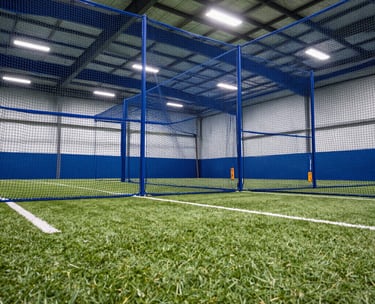
Fundamental drills and power hitting in our heated indoor facility.
SPRING
Regional Tournament Circuit
Competitive league play across the Midwest region.
SUMMER
National Showcase
Elite exposure at major national recruiting events.
AUTUMN
College Exposure Camps
Direct interaction with top-tier university coaching staff.
SUCCESS
The Shockwave Experience
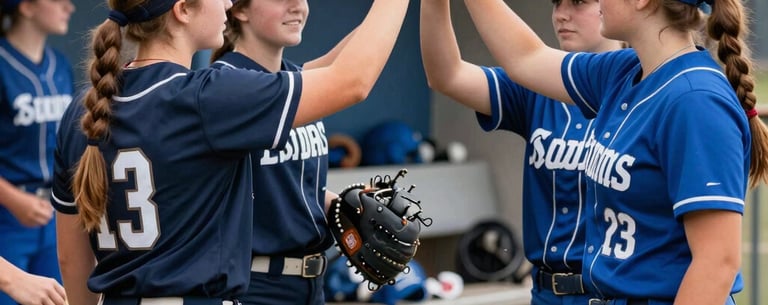
Voices from our community of athletes, parents, and collegiate coaches.
"Shockwaves provided the platform my daughter needed to reach the D1
— Mark R., Parent
"The recruiting network here is truly second to
— Coach Sarah T.
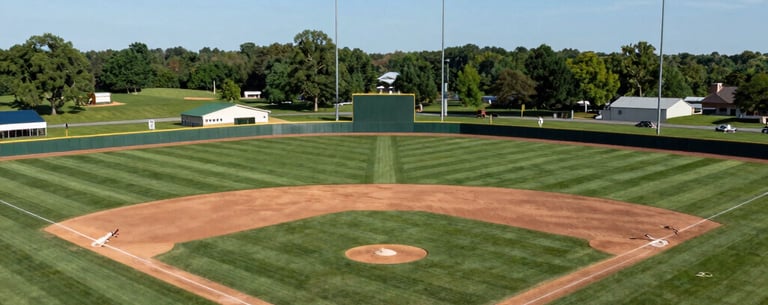
OUR HOME
Premium Sports
Facilities
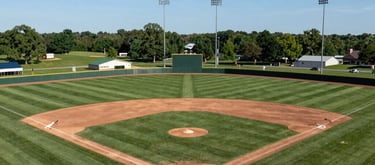
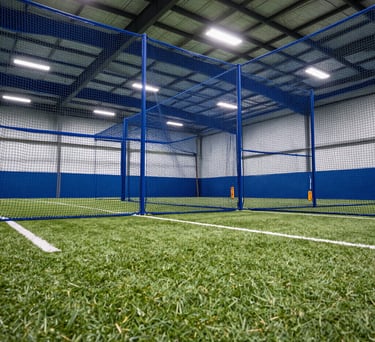
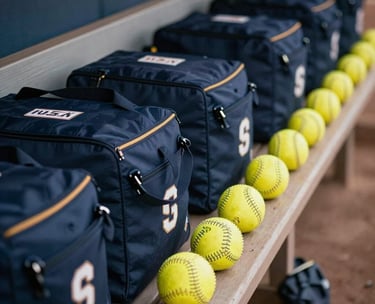
Located in the heart of the Midwest, our complex provides athletes with the region's best dirt andWith year-round indoor access and professionally maintained diamonds, we ensure optimal
GET STARTED
Join the Shockwave Legacy Today
Take your game to the next level—apply for our upcoming seasonal tryouts and join the family.
Updates
Join our list for the latest news and upcoming events.
Elite Travel Softball
© 2025 Indiana Shockwaves. All rights reserved.